The corporate retreat market represents one of the most lucrative niches in short-term rentals. Companies are moving away from sterile conference hotels and toward unique properties that inspire creativity and team bonding. A well-designed retreat property can command weekday bookings -- typically the hardest nights to fill -- and attract multi-day reservations from companies with real budgets. Here is how to design your STR to capture this high-value market.
Designing a Functional Meeting Space
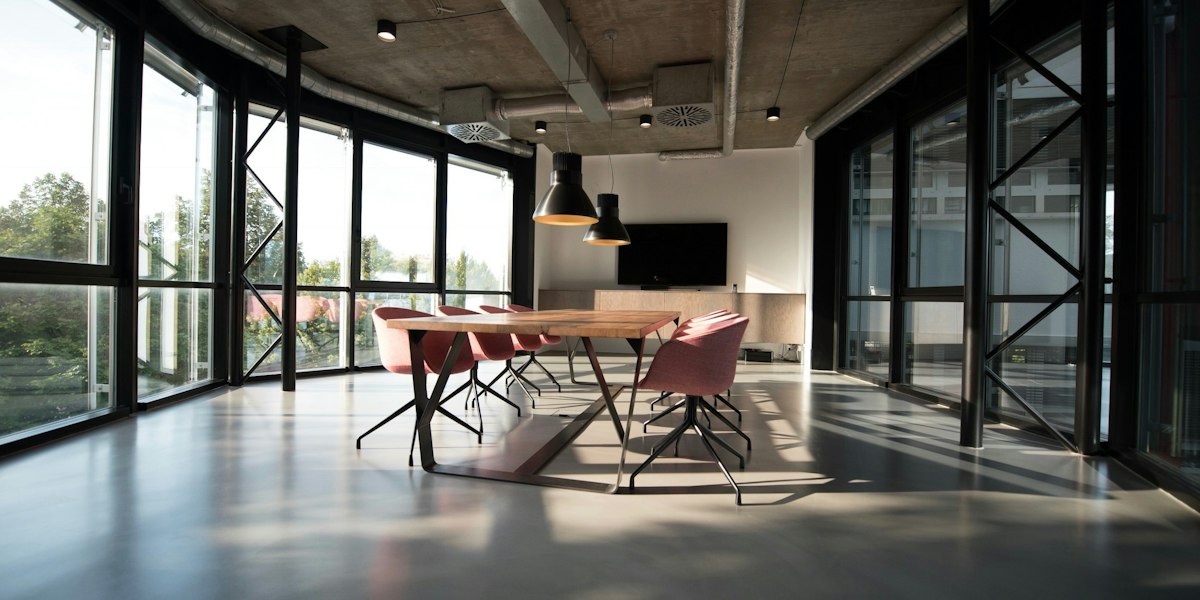
The centerpiece of any corporate retreat property is a dedicated meeting area. This does not need to look like a conference room -- in fact, it should not. The goal is a space that feels different from the office while still supporting productive work. A large open room with a farmhouse table seating twelve to sixteen people works beautifully, paired with comfortable chairs that people can sit in for hours without fatigue.
Wall space matters more than you might think. Install a large whiteboard -- ideally a full wall of whiteboard paint -- on one side of the room. Opposite that, mount a 65-inch or larger smart TV with HDMI inputs and wireless screen-sharing capability. The TV should be at eye level for seated participants, and the room should have blackout curtains or blinds so presentations are visible during daylight hours. A credenza or sideboard along one wall provides space for laptops, notebooks, and refreshments without cluttering the main table.
Breakout Areas for Small Group Work
Effective retreats alternate between full-group sessions and smaller breakout discussions. Your property needs at least three distinct areas where groups of three to five people can work independently. These do not require formal furniture -- a covered porch with comfortable seating, a cozy den with a sofa and armchairs, or even a large dining nook can serve this purpose perfectly.
Each breakout area should have adequate lighting for reading and note-taking, access to electrical outlets for charging devices, and enough separation from other spaces that conversations remain private. A screened porch works particularly well because it offers a change of environment without weather dependency. Consider adding small portable whiteboards or easel pads to each breakout area so groups can sketch ideas without returning to the main meeting room.
The Catering Kitchen
Corporate groups often bring in catering or hire a private chef for their retreat. Your kitchen needs to support this without becoming a bottleneck. A commercial-style range with at least six burners, double ovens, and a large refrigerator -- ideally with a separate beverage refrigerator -- gives caterers the workspace they need. Counter space is critical -- aim for at least twelve running feet of usable counter for food preparation and plating.
Stock the kitchen with serving platters, chafing dishes, and enough dinnerware and glassware for the full group. A coffee station set up separately from the main kitchen workflow keeps the caffeine flowing without disrupting meal prep. Include a high-quality drip coffee maker, an electric kettle for tea, and a selection of mugs. This coffee station should be accessible around the clock since corporate groups tend to start early and work late.
Private Bedrooms and Personal Space
Unlike vacation groups that might share rooms, corporate guests strongly prefer private bedrooms. Each bedroom should have a door that locks, a comfortable bed -- queen or king sized -- a bedside table with a lamp and charging station, and enough closet or drawer space for a three to four night stay. A small desk or work surface in each bedroom allows team members to check emails or prepare for the next day's sessions privately.
Ensure each bedroom has adequate sound isolation. Corporate retreats often involve early risers and late-night workers in the same group, so bedroom doors should seal well and shared walls should minimize sound transfer. Provide white noise machines or sound machines in each room as a thoughtful backup. High-quality blackout curtains in every bedroom ensure that early morning light does not disrupt someone who was working until midnight.
Technology Infrastructure
Nothing derails a corporate retreat faster than poor WiFi. Invest in enterprise-grade networking with mesh access points that provide consistent coverage throughout the property, including outdoor spaces. Your internet connection should be at least 200 Mbps download speed, and ideally faster, to support a dozen people on video calls simultaneously. Include the WiFi network name and password in a framed card in the meeting room and in each bedroom.
Every meeting area needs accessible power -- not just wall outlets, but power strips and charging stations placed where people actually sit. USB-A and USB-C charging ports built into the meeting table or credenza eliminate the tangle of adapters. Provide at least two HDMI cables of different lengths in the meeting room, along with USB-C to HDMI adapters for modern laptops. A portable projector stored in a closet gives groups the option of an outdoor movie night or an alternative presentation setup.
Positioning Your Property for Corporate Bookings
Marketing to corporate groups requires a different approach than targeting vacationers. Your listing should emphasize the meeting space, tech infrastructure, and bedroom count prominently. Include photographs that show the meeting table set up for a working session -- laptops open, whiteboard in use, coffee mugs on the table. Companies booking retreats want to see that your property can handle real work, not just relaxation.
Consider creating a dedicated page on your direct booking website specifically for corporate retreats, with details about AV equipment, internet speeds, and catering arrangements. Offer a midweek discount structure since corporate groups typically book Sunday through Thursday, filling your weakest nights. Build relationships with local caterers and activity providers -- offering a curated list of team-building activities, private chefs, and transportation options makes your property the easy choice for busy office managers planning their next offsite.
